Re:Tzompantli
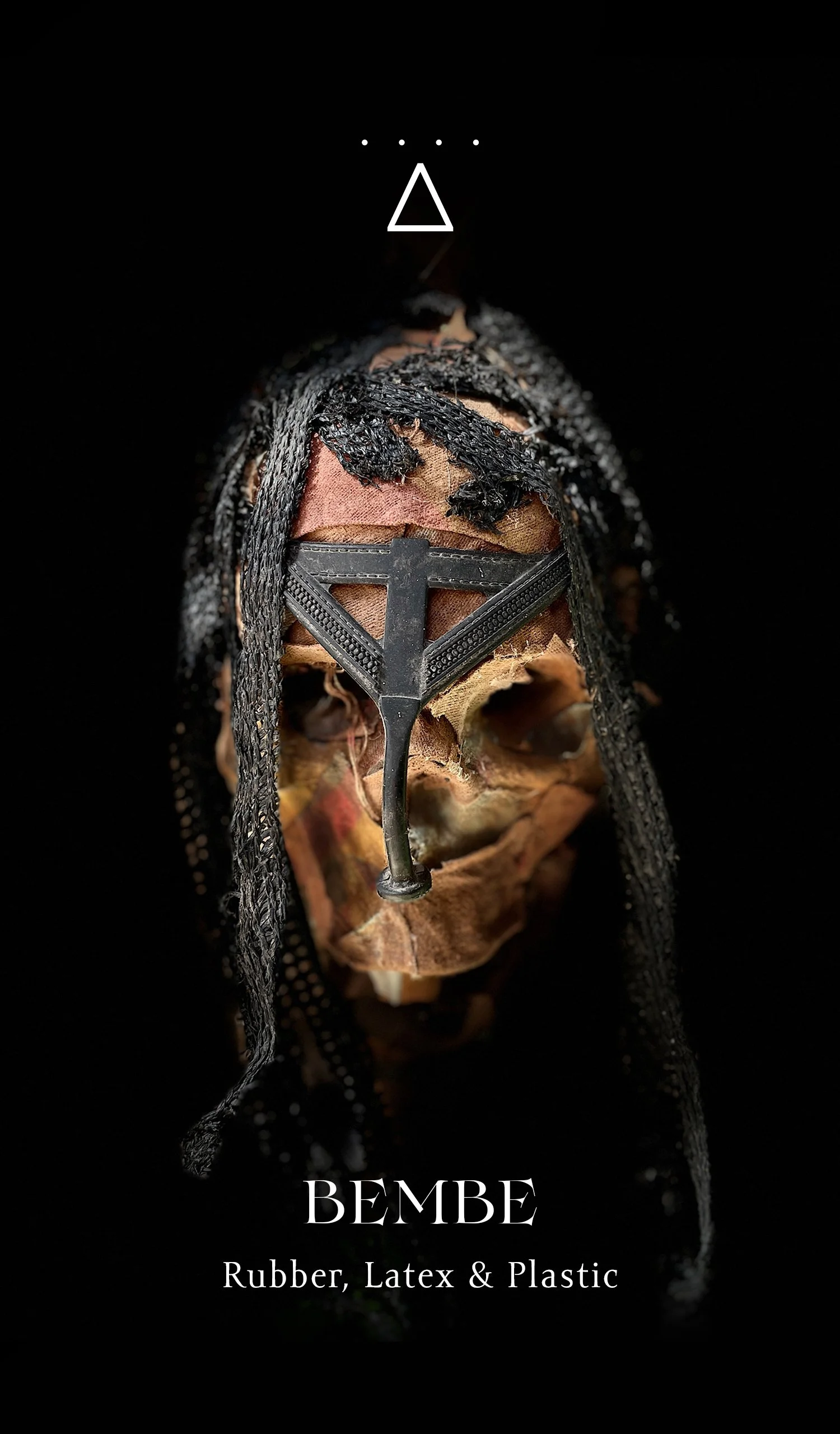
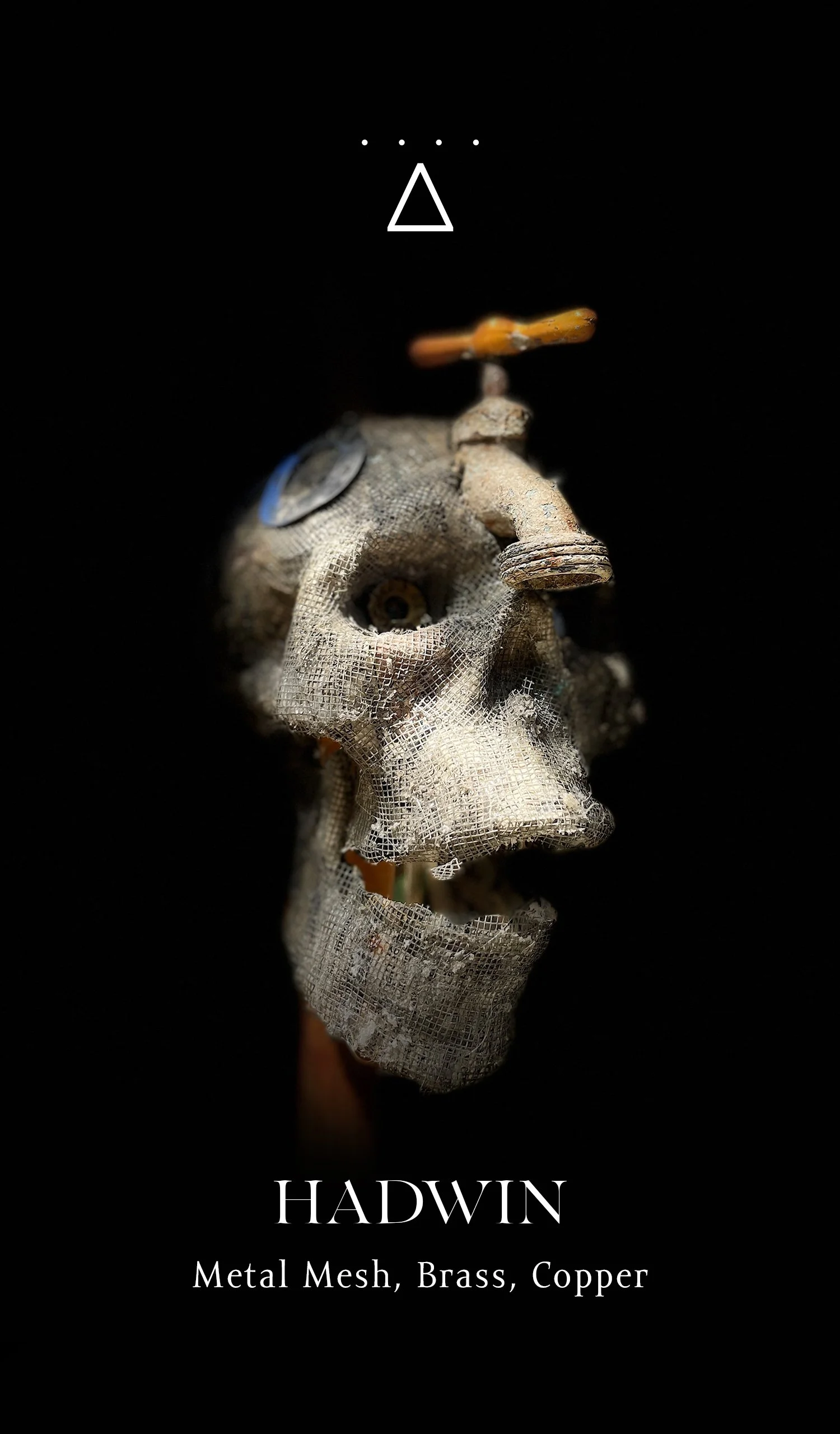
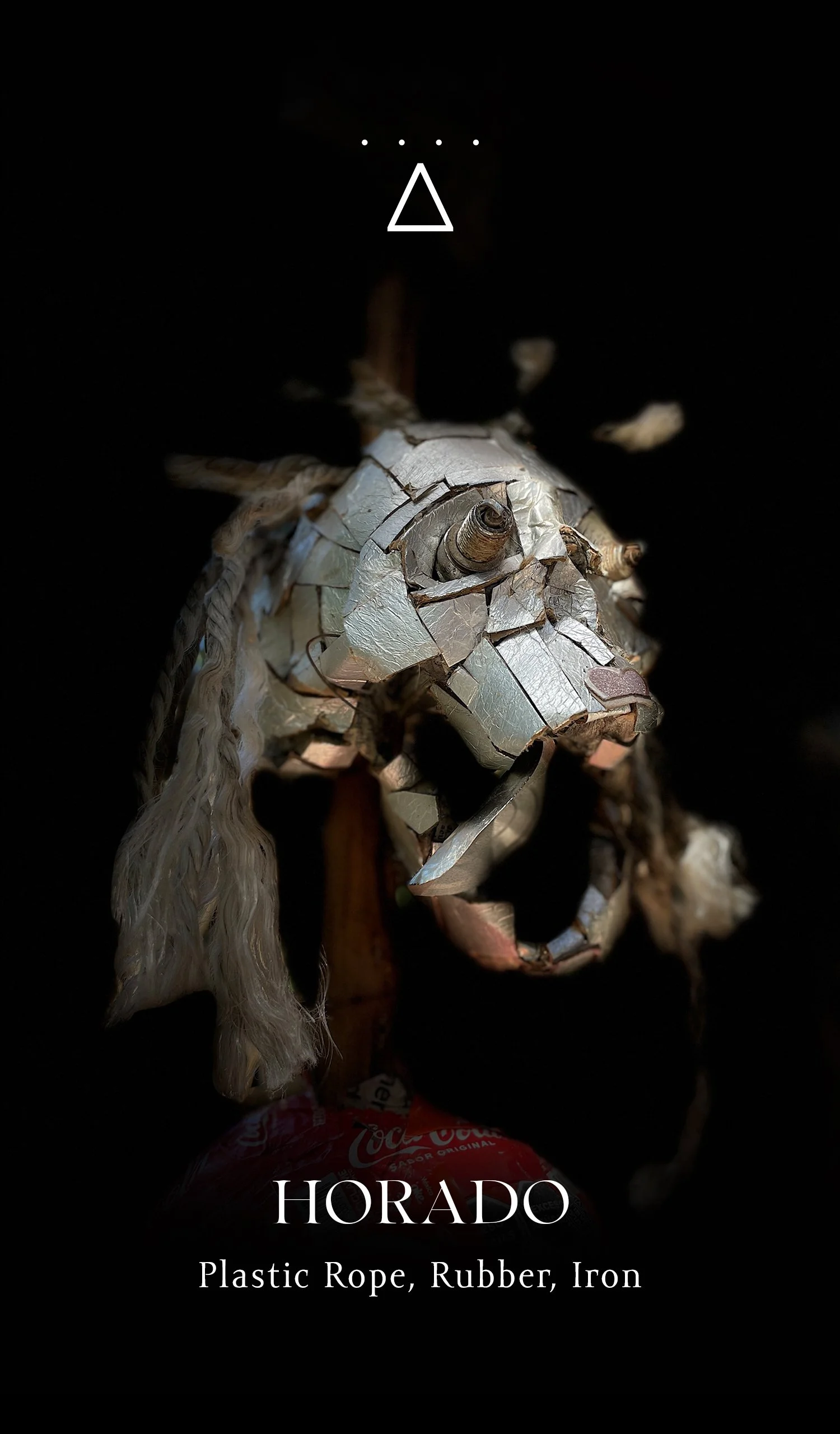
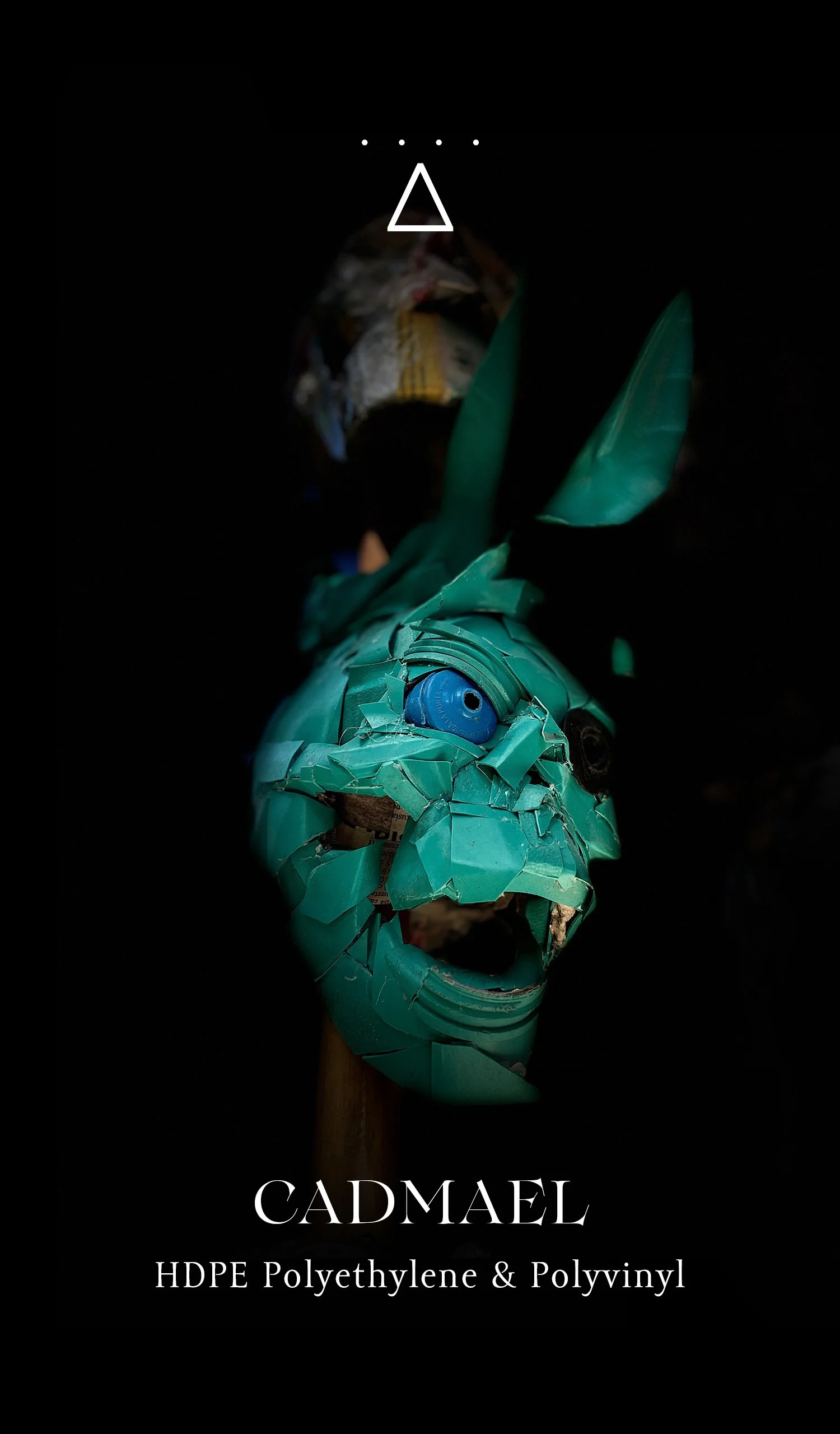
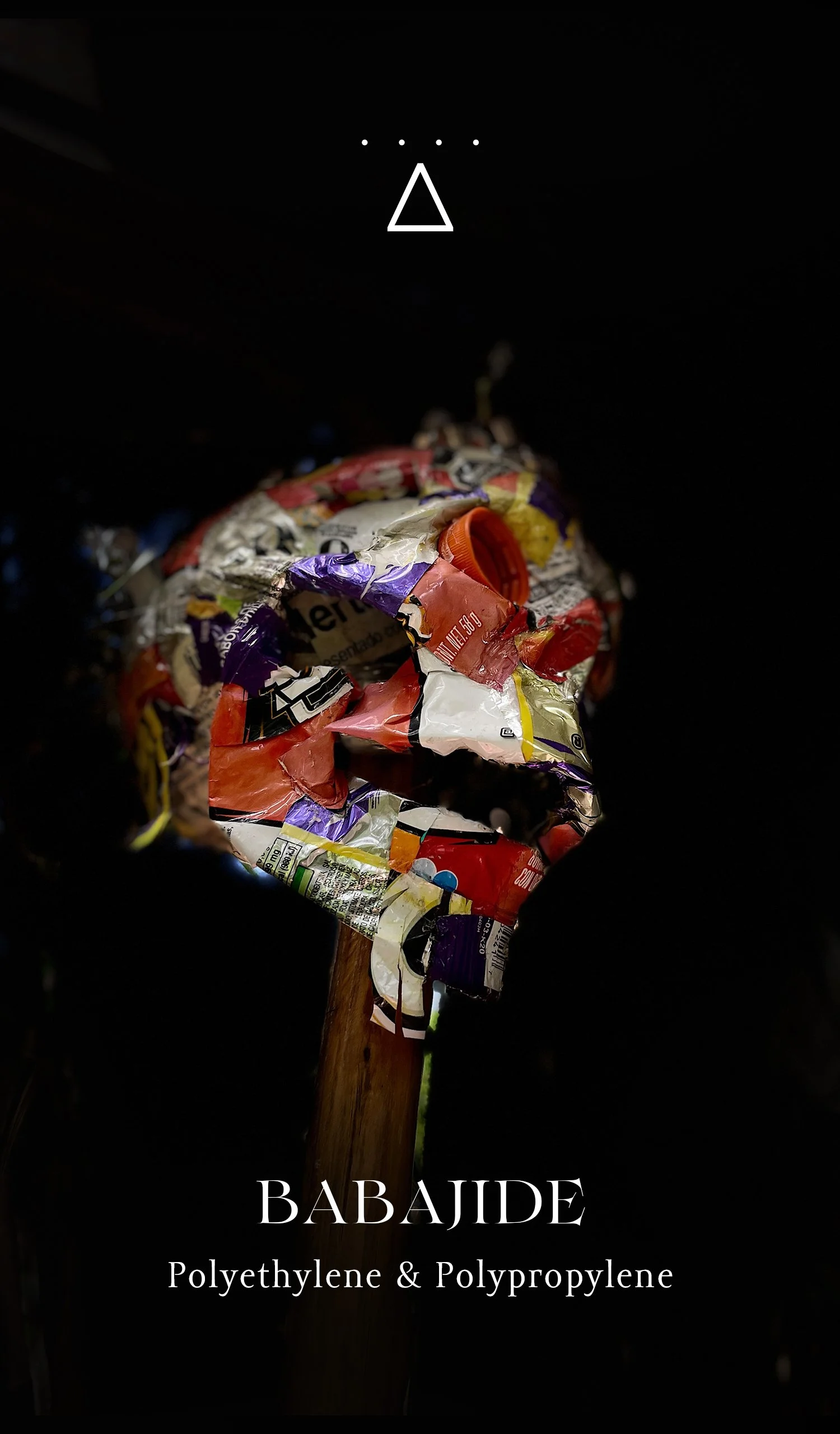
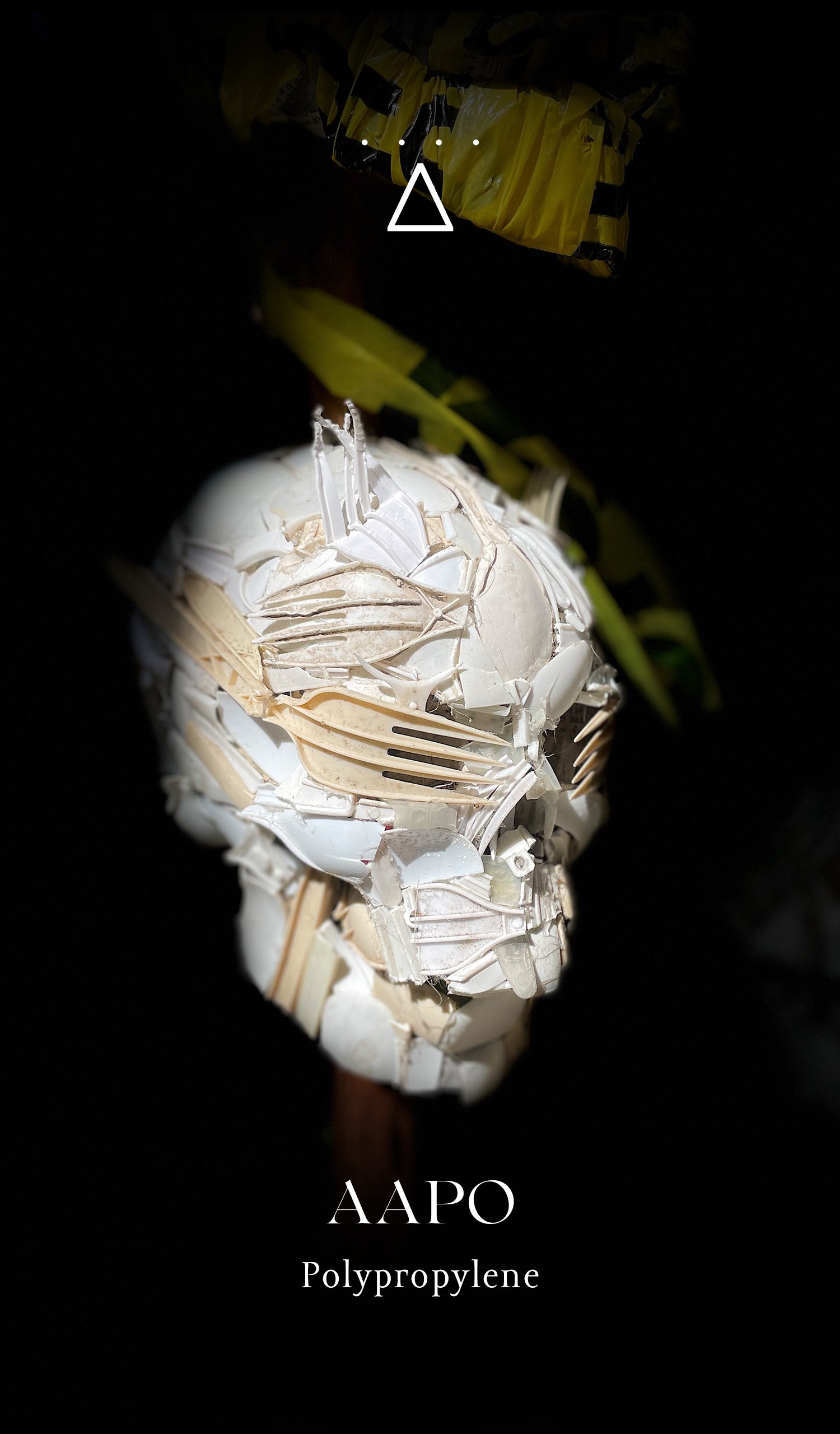
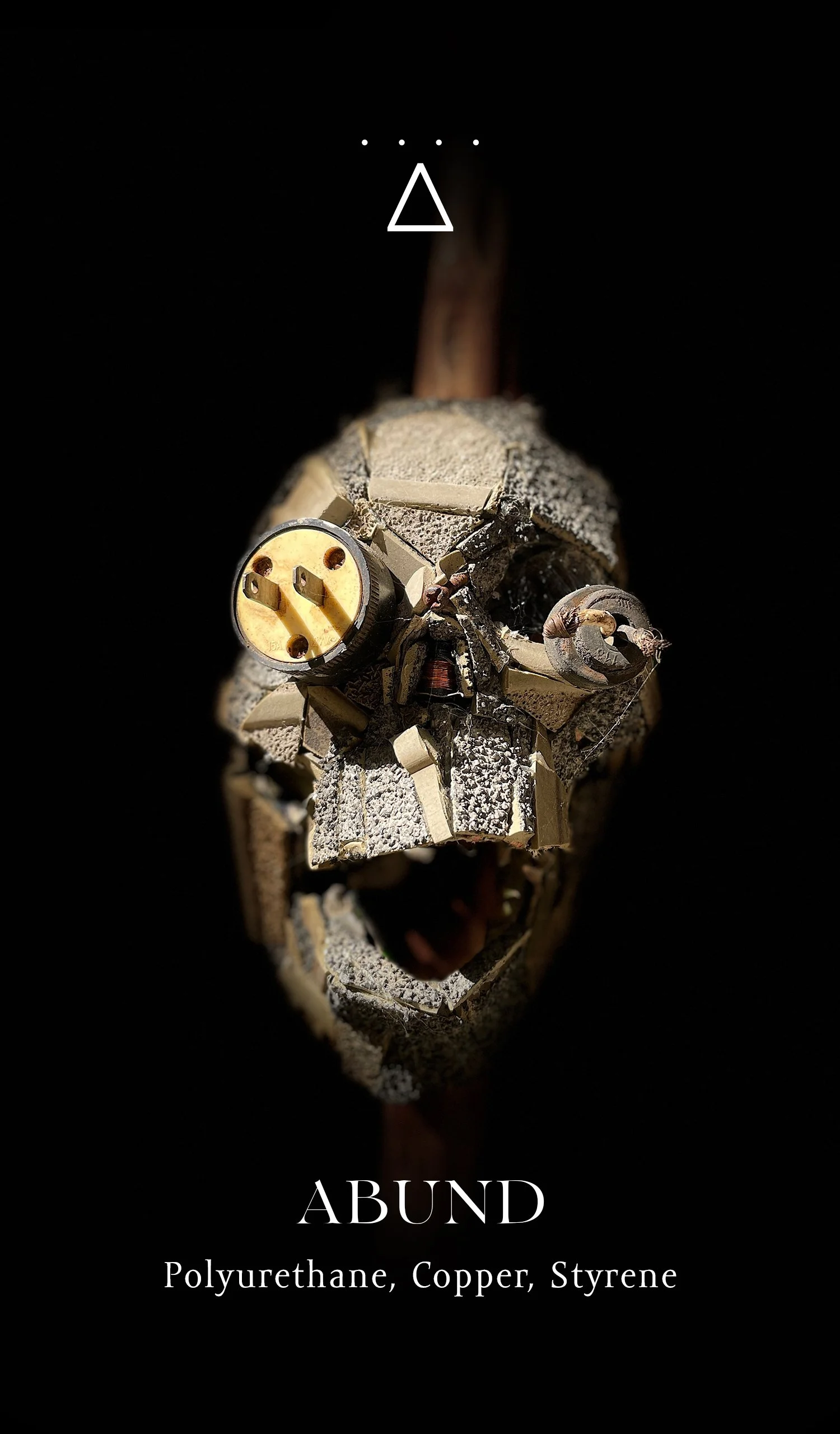
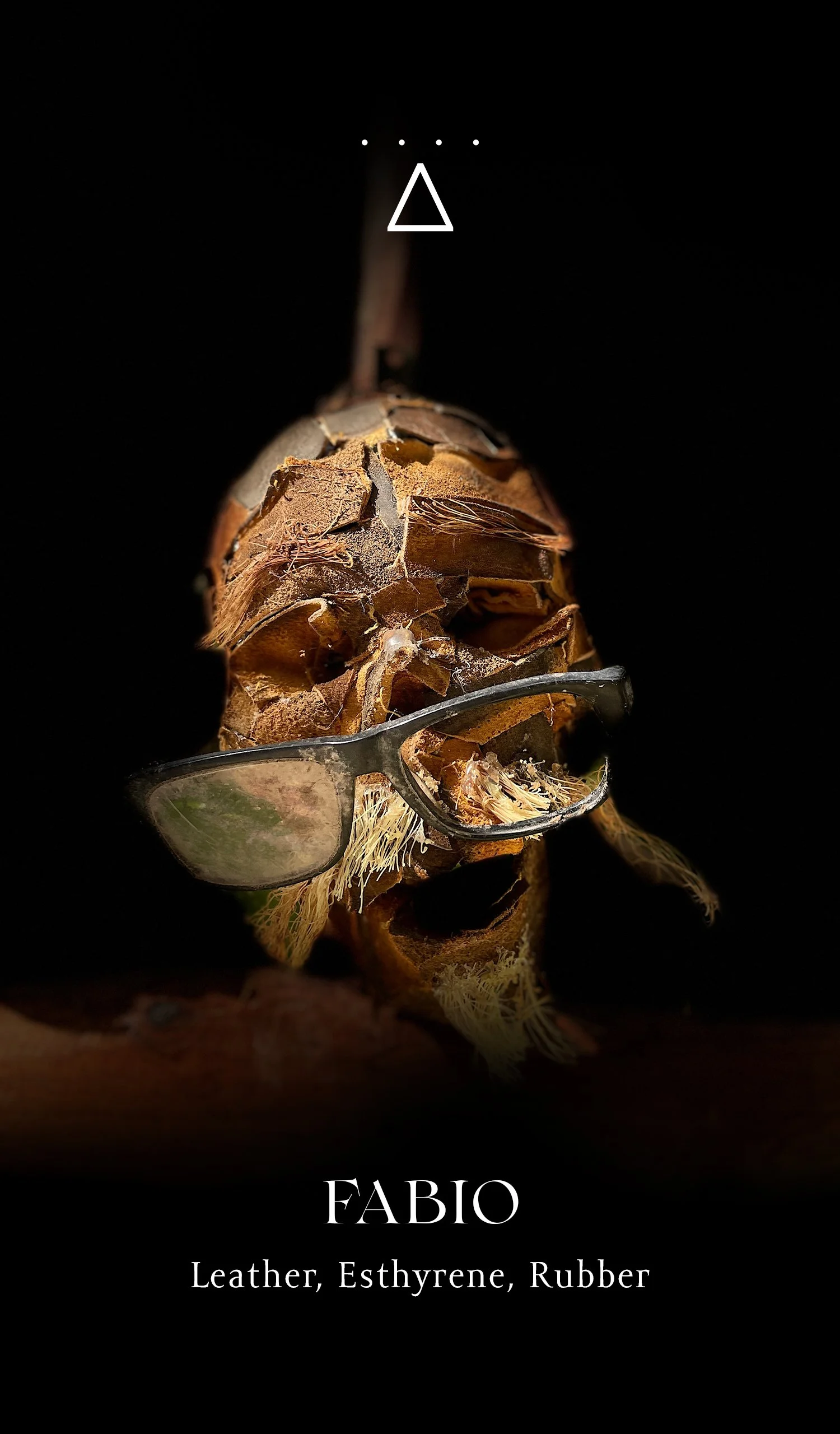
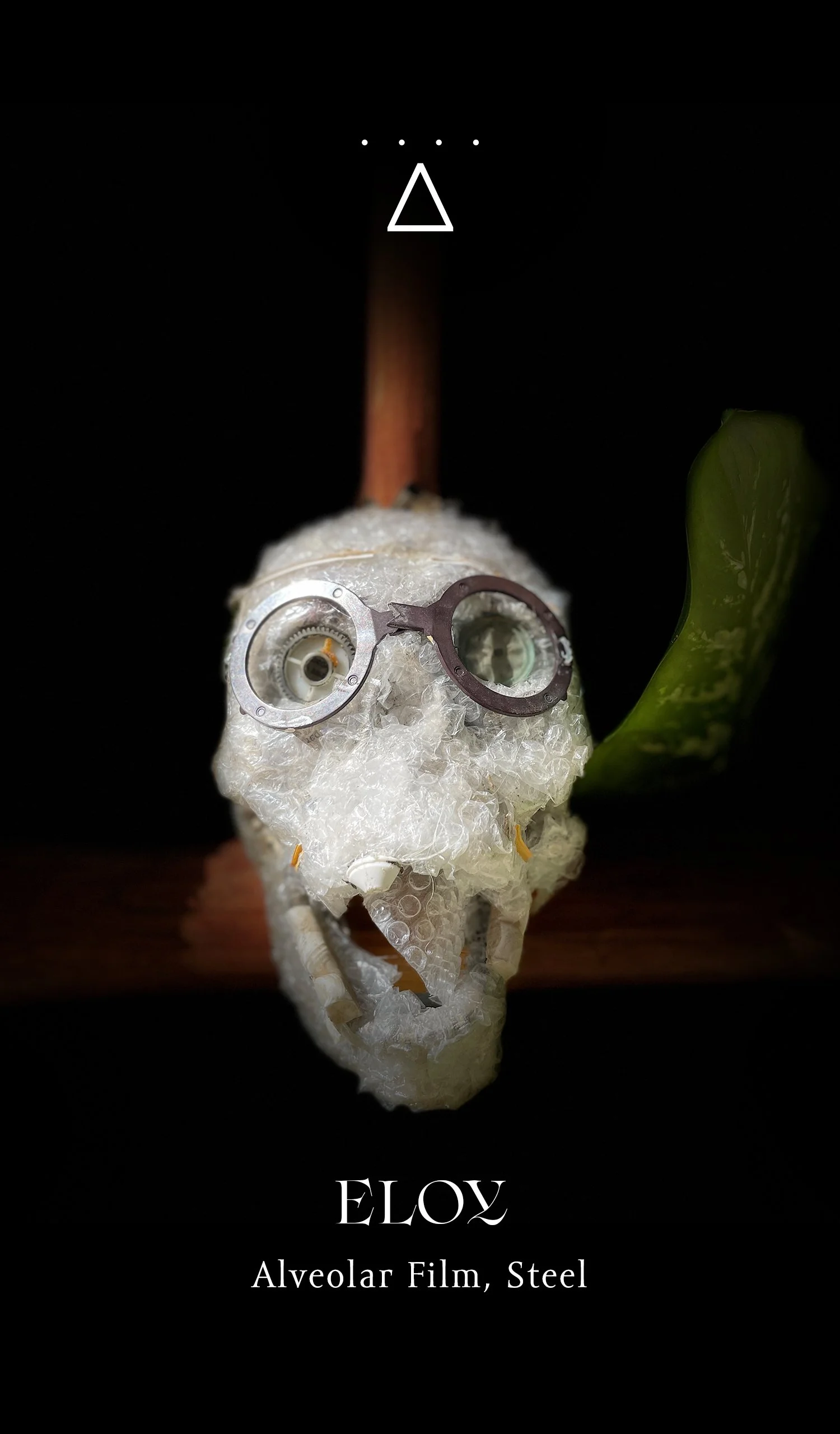
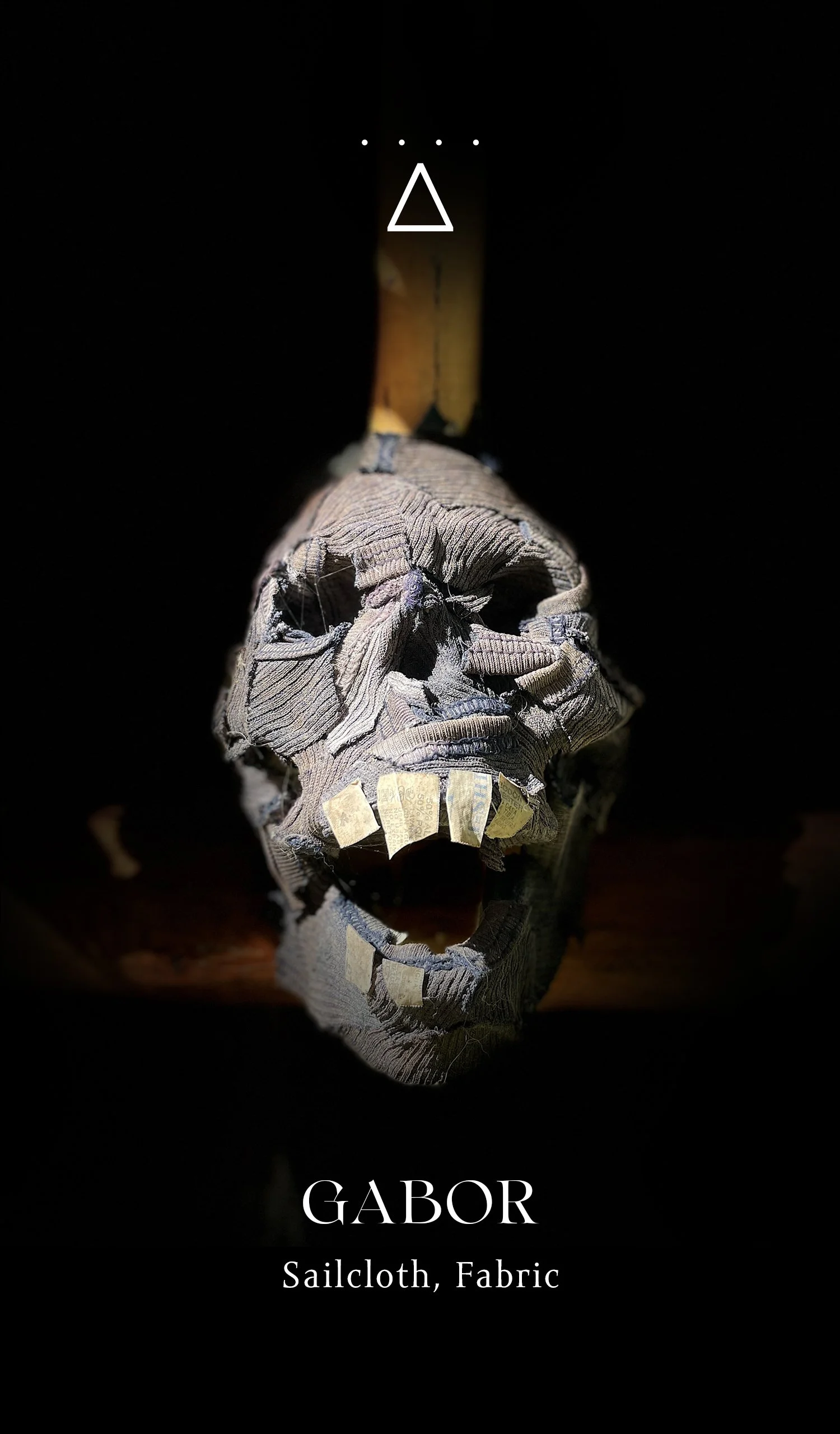
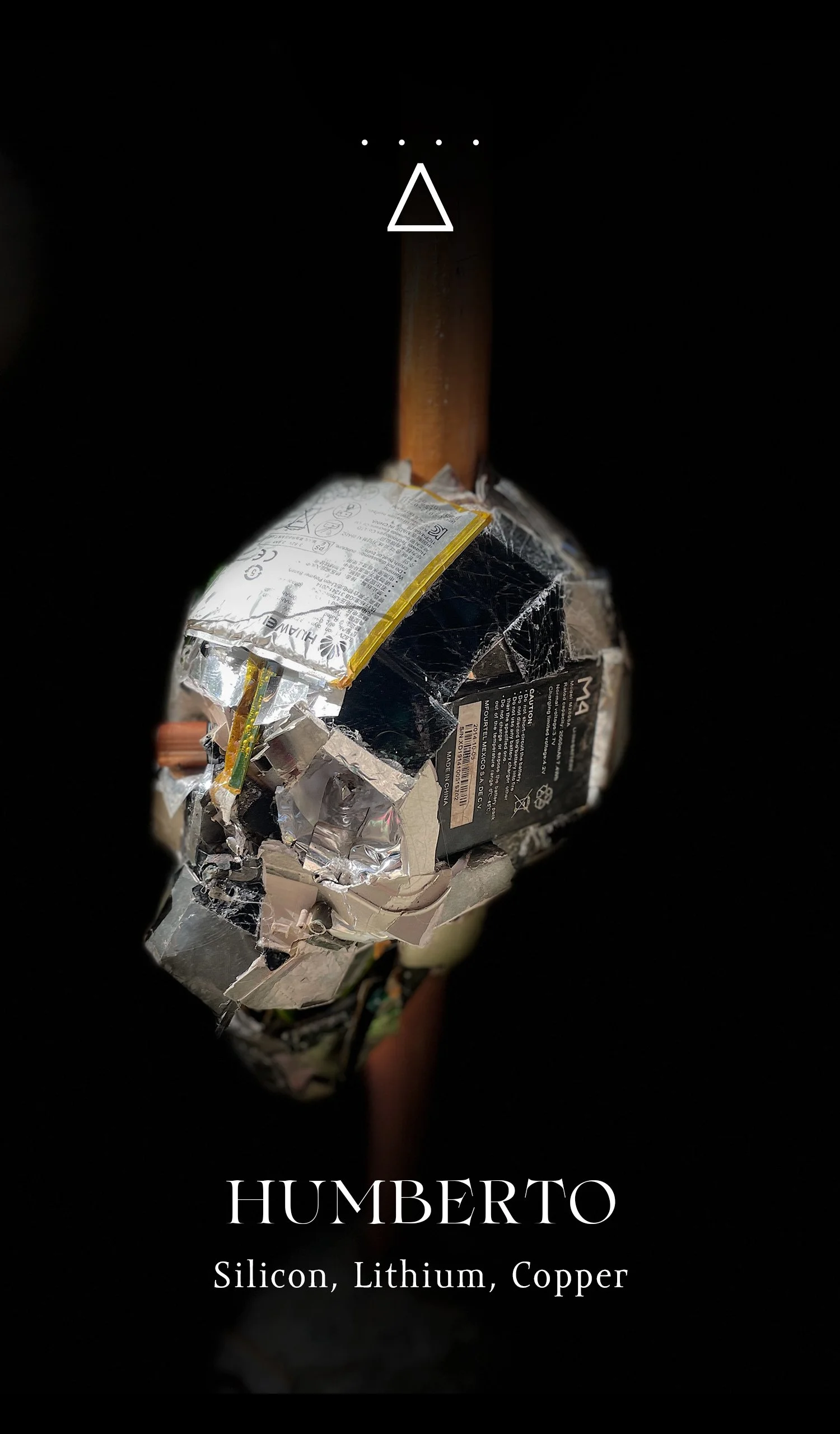
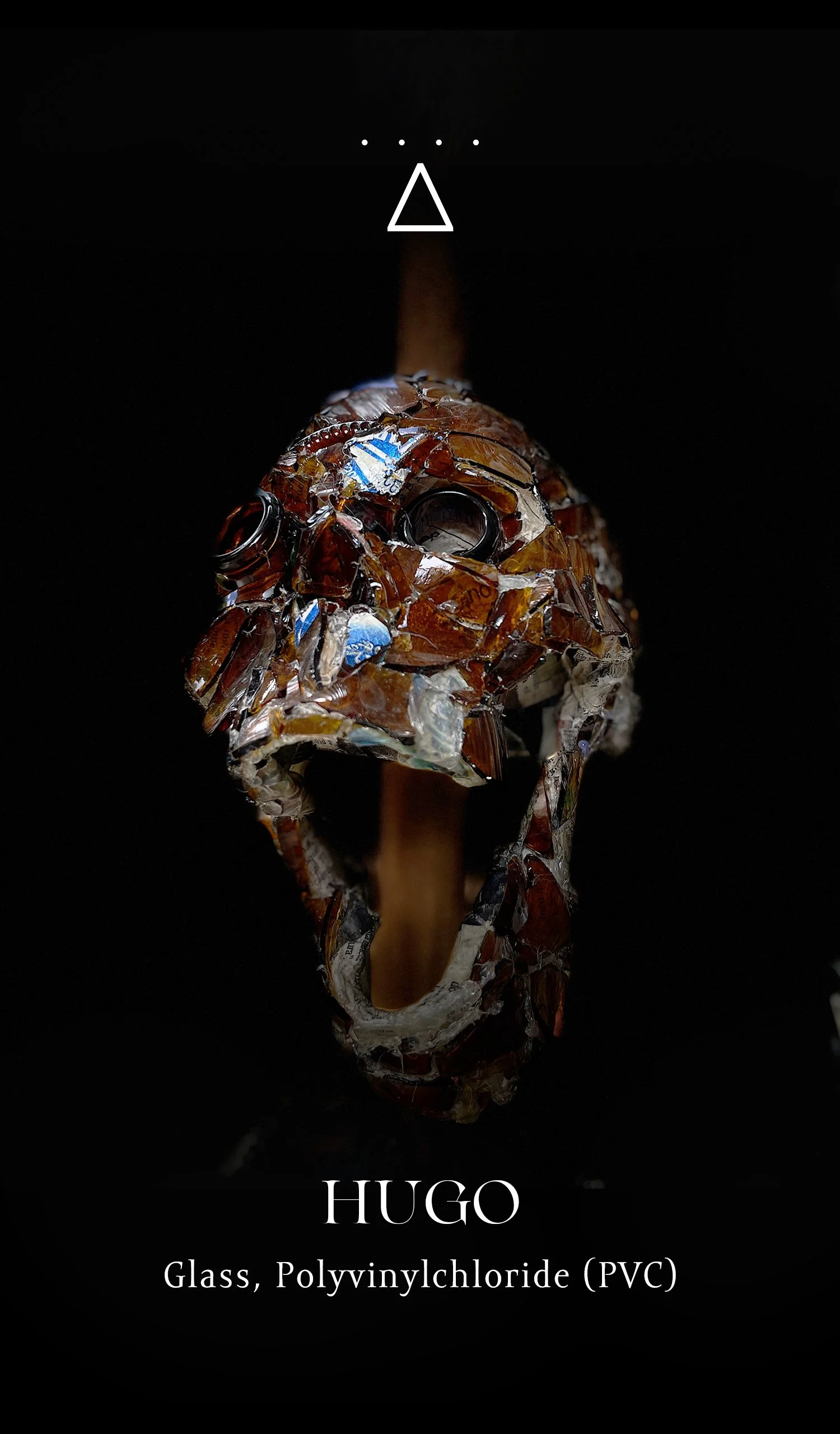
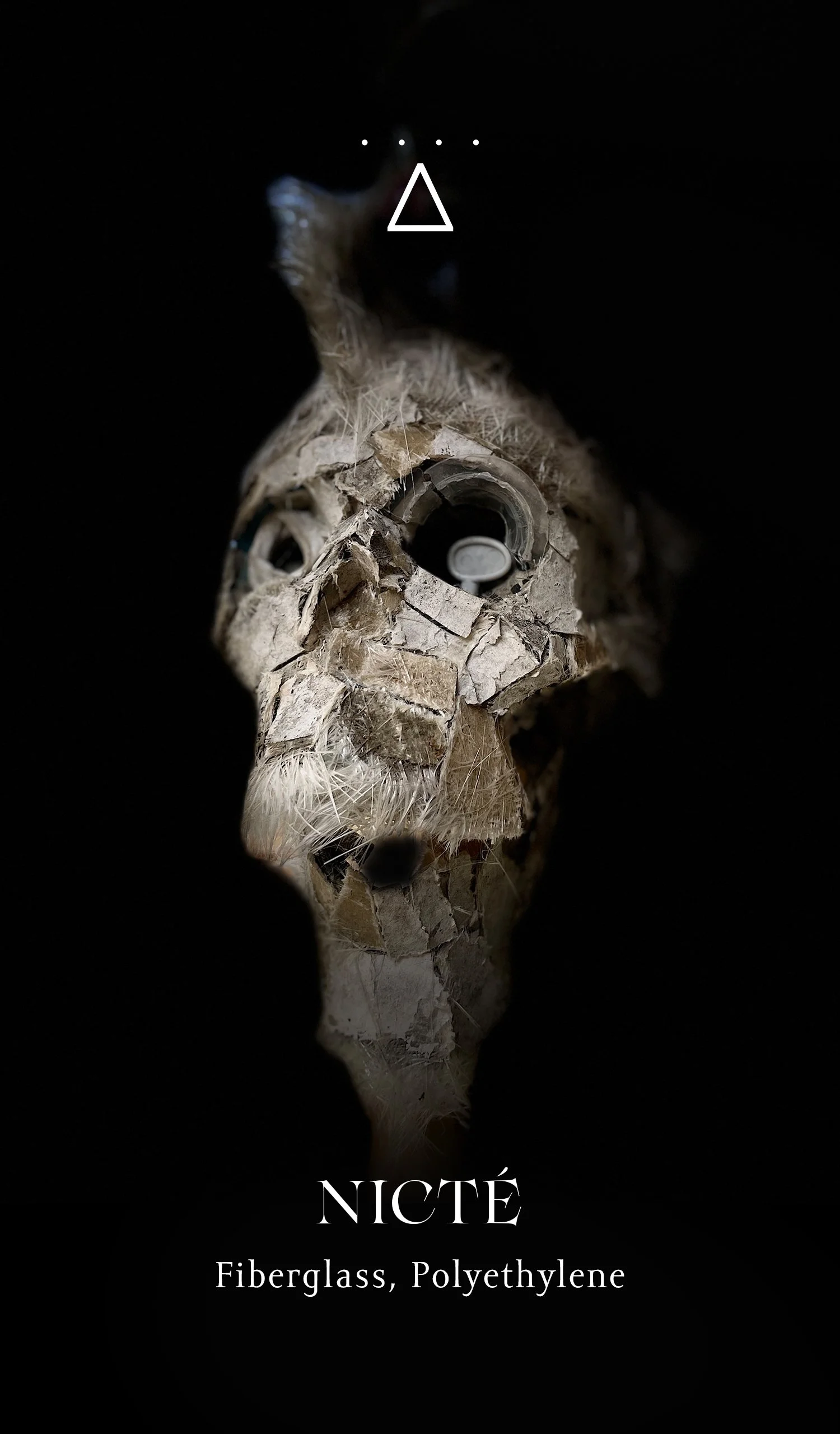
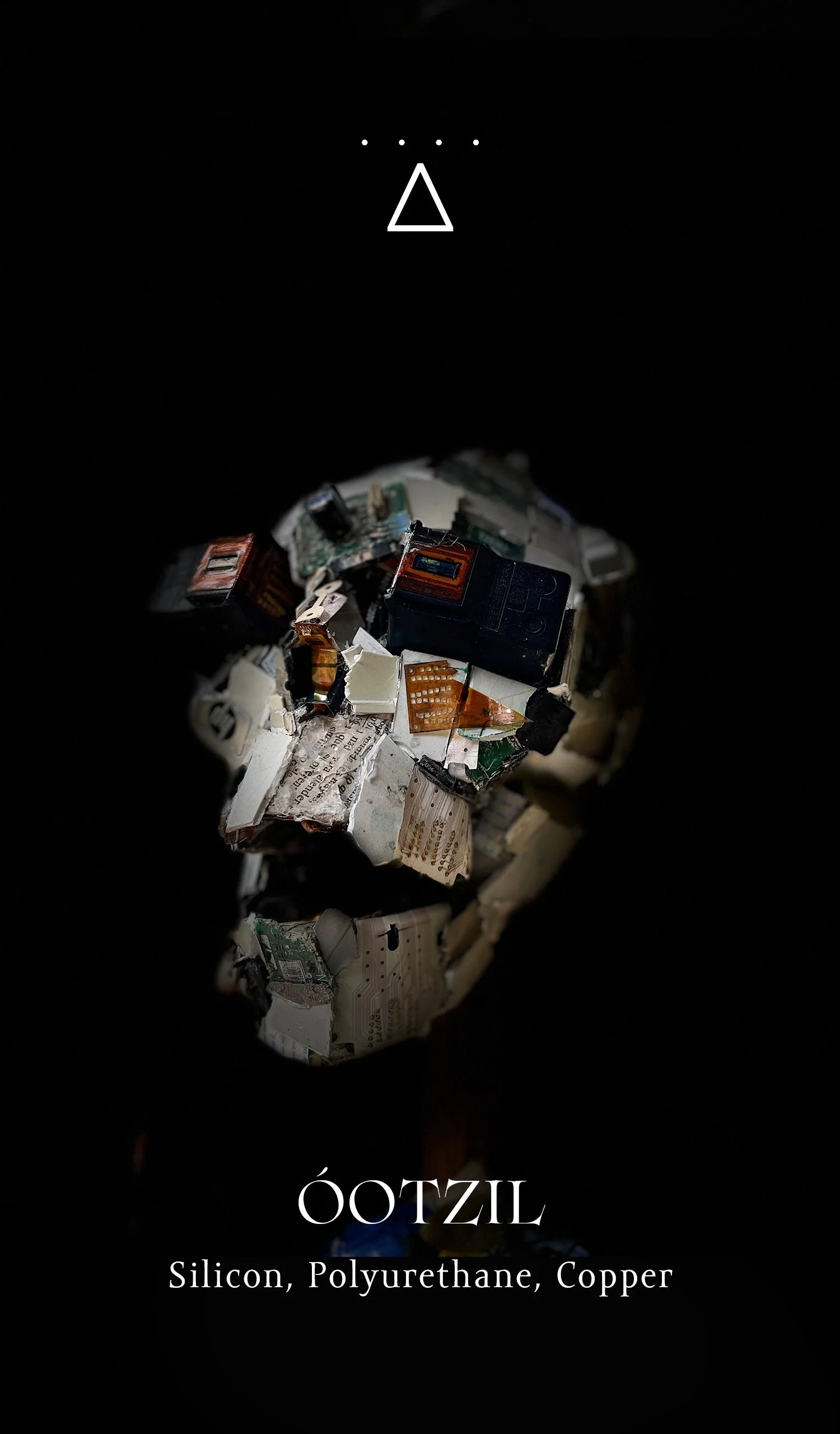
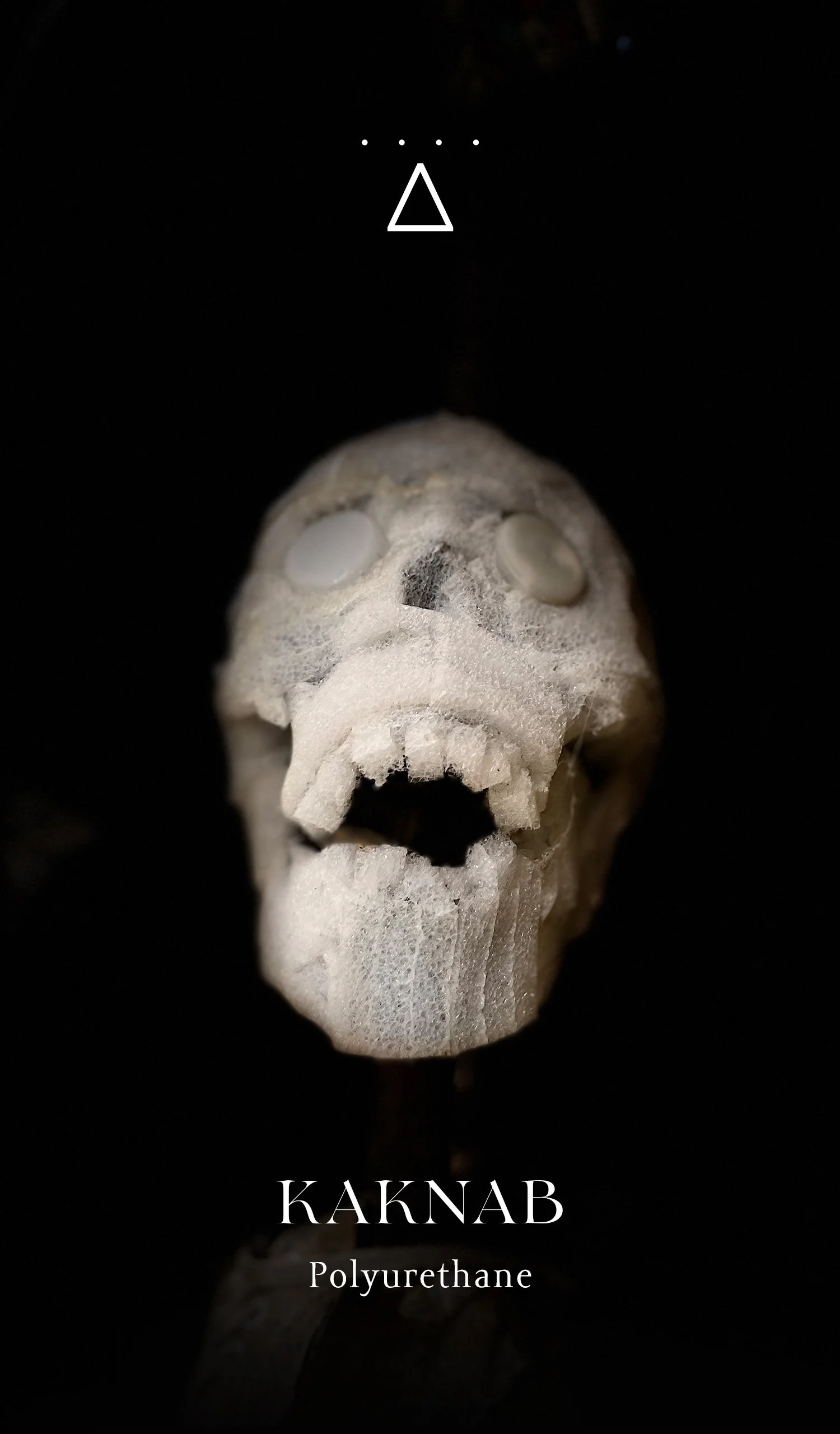
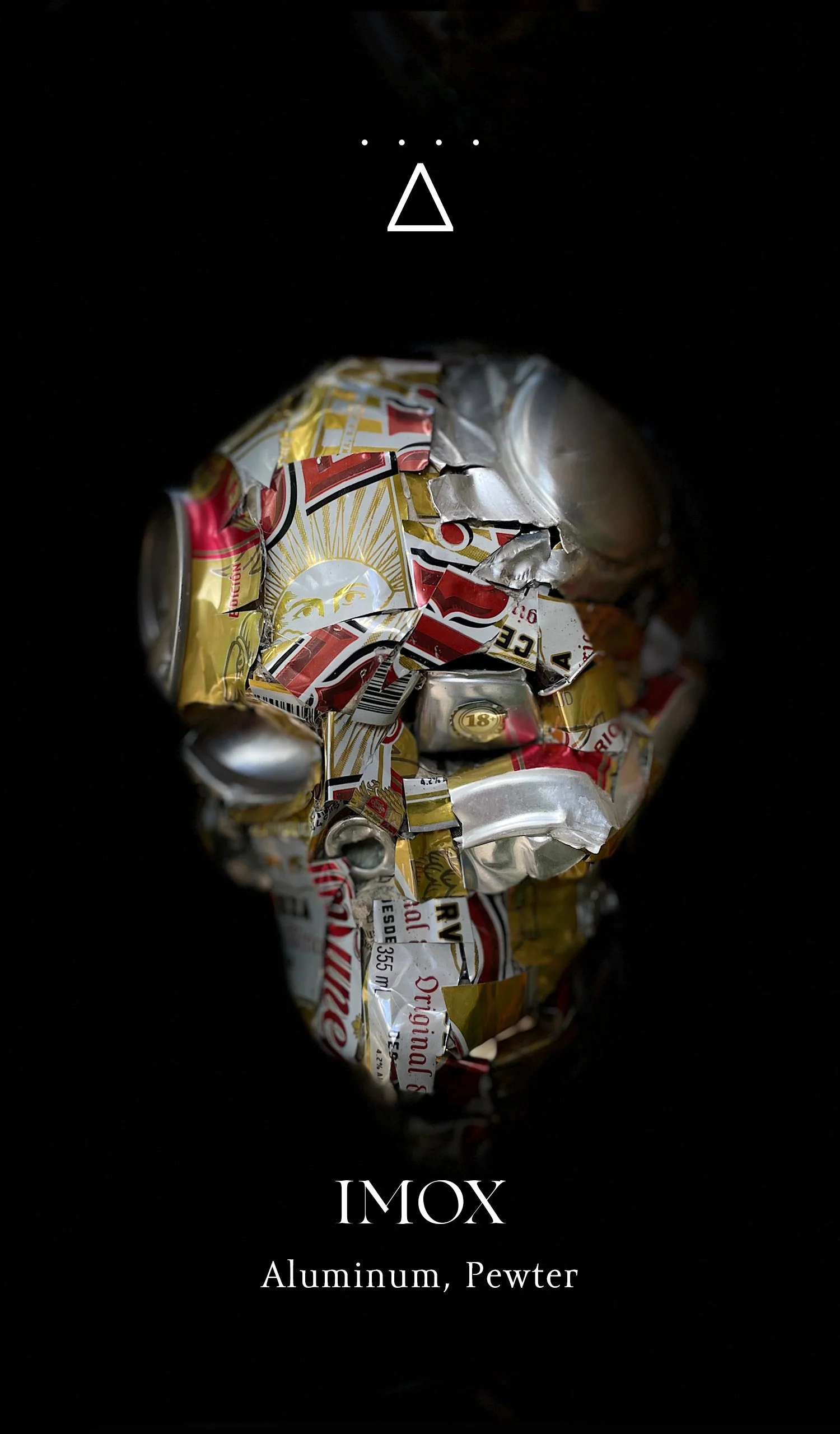
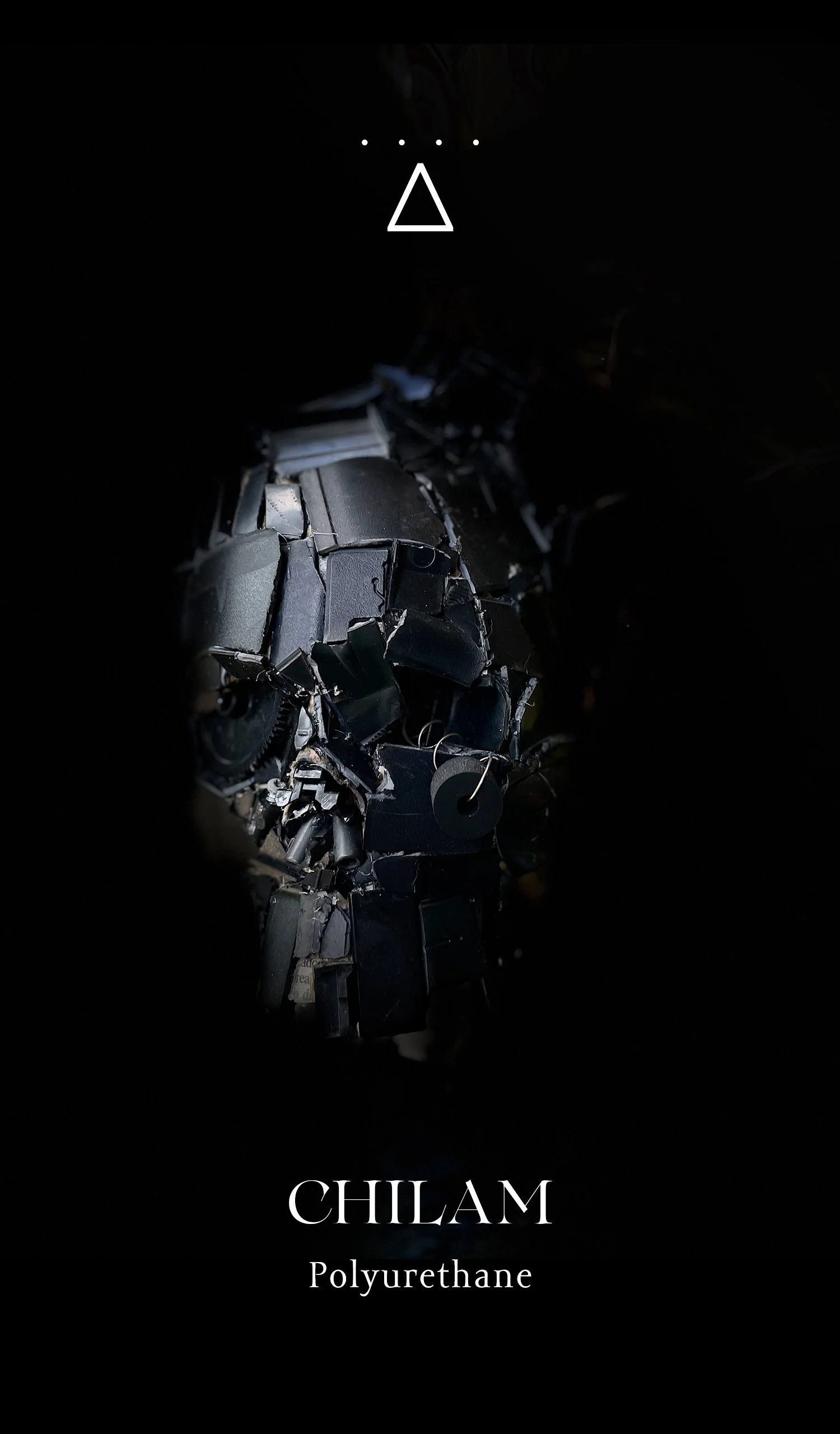
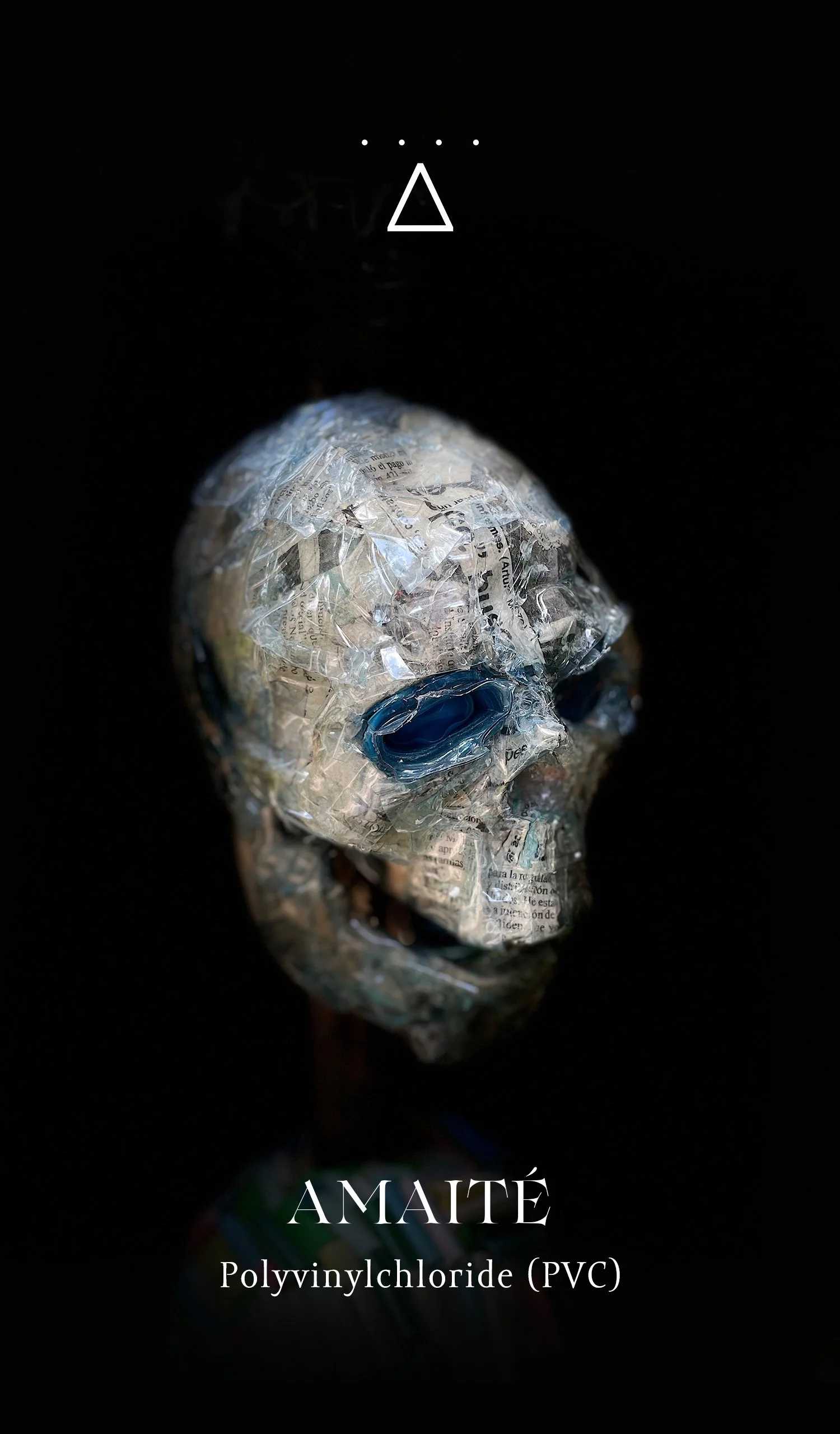
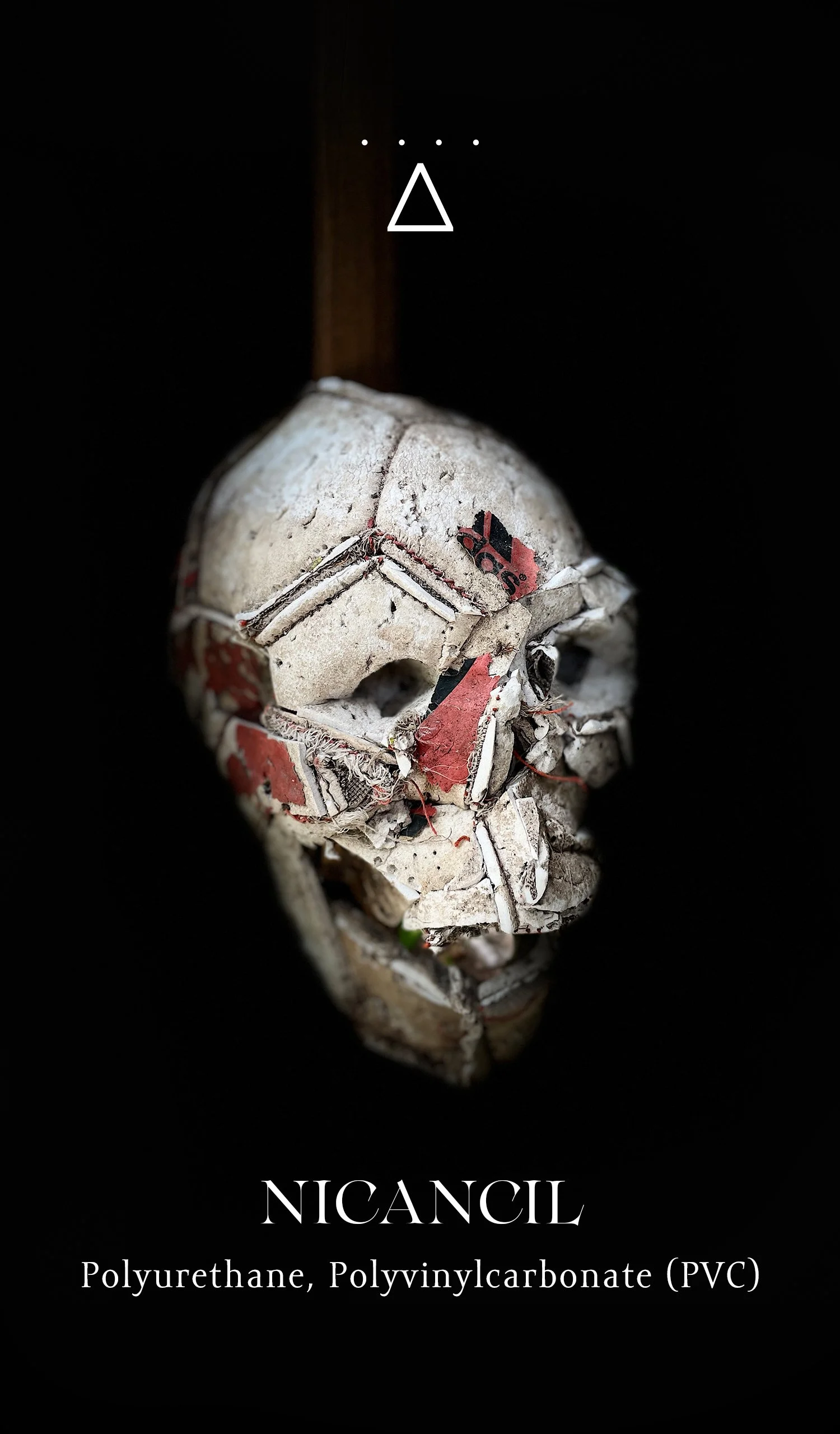
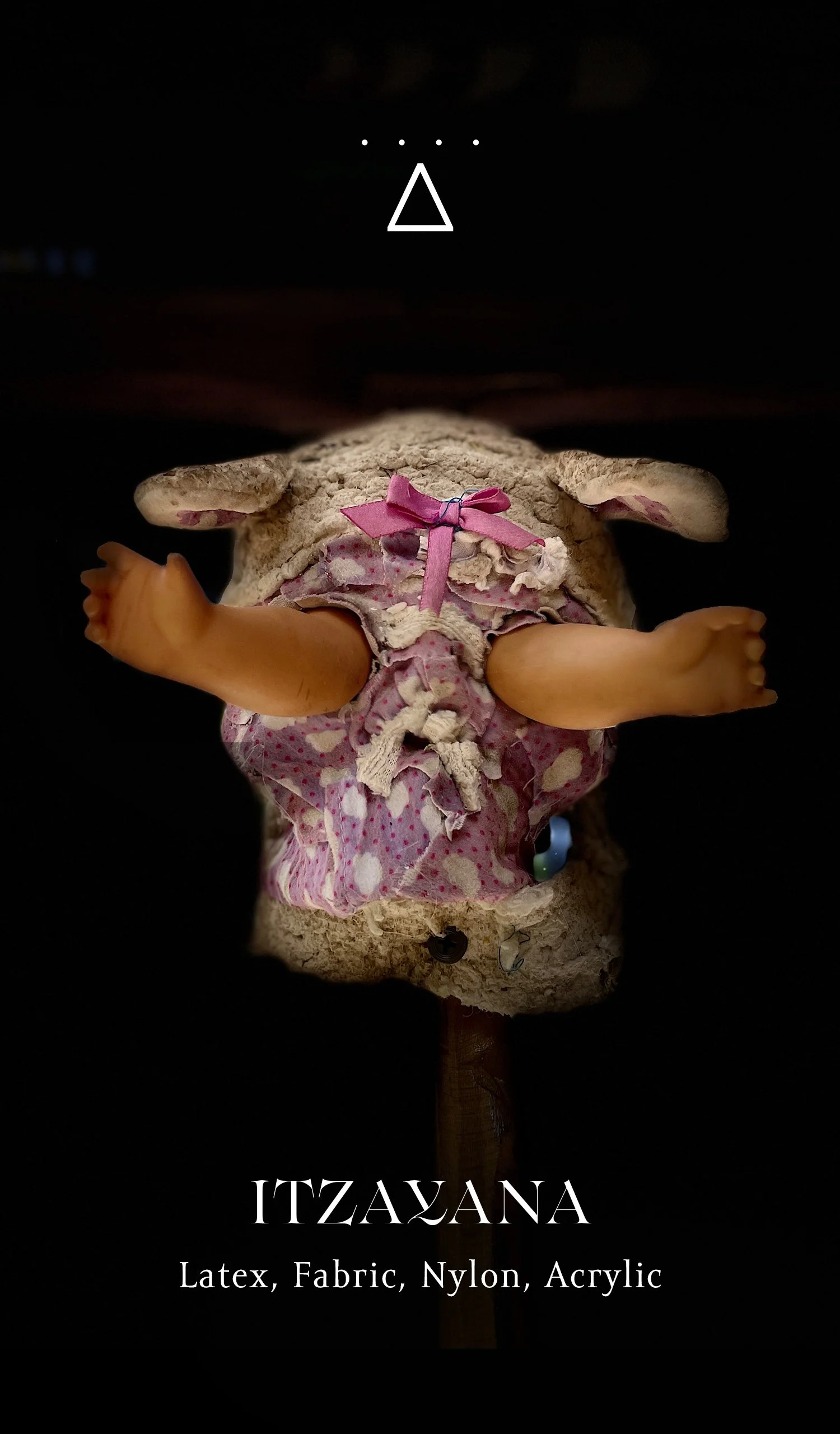
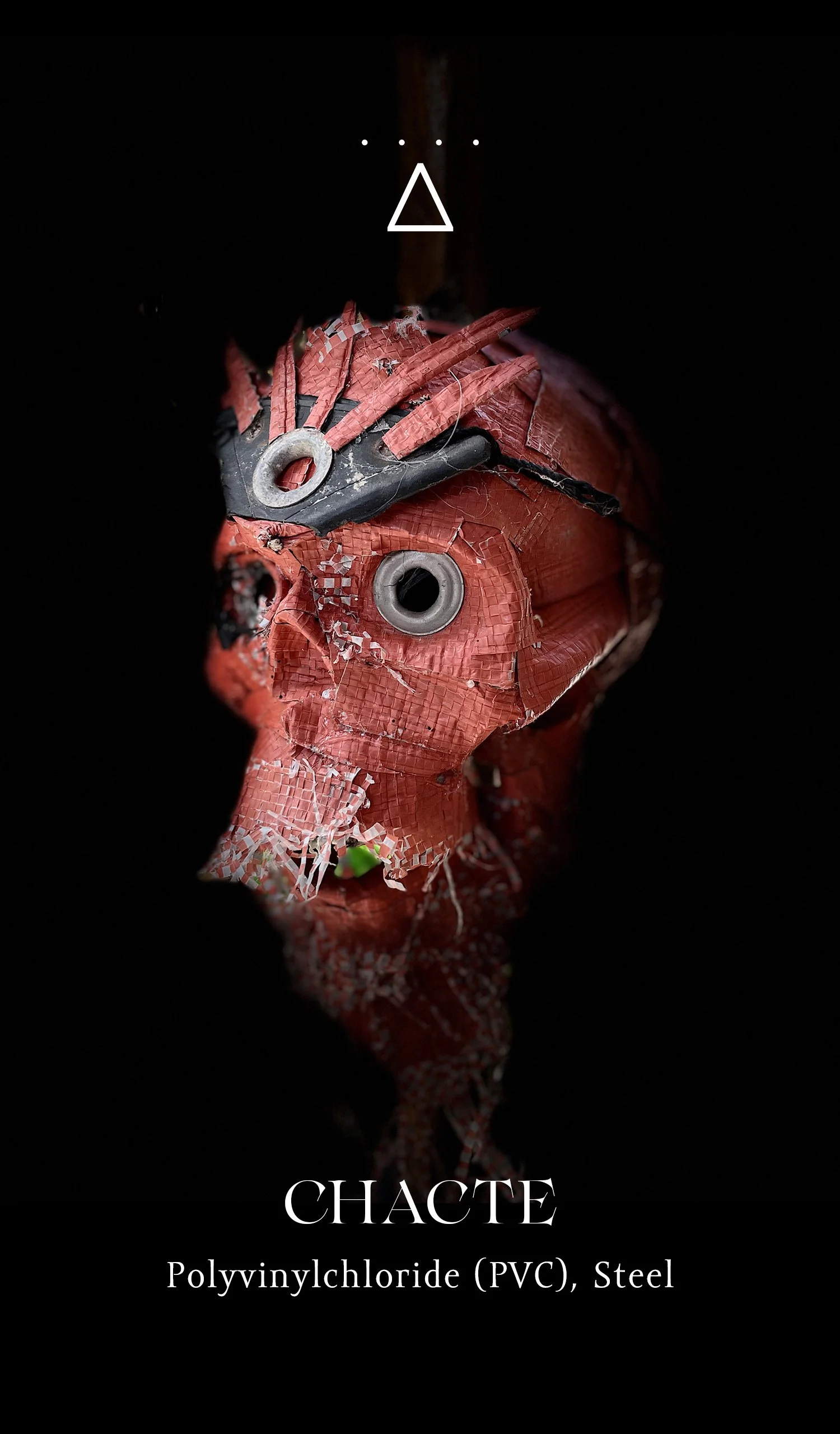
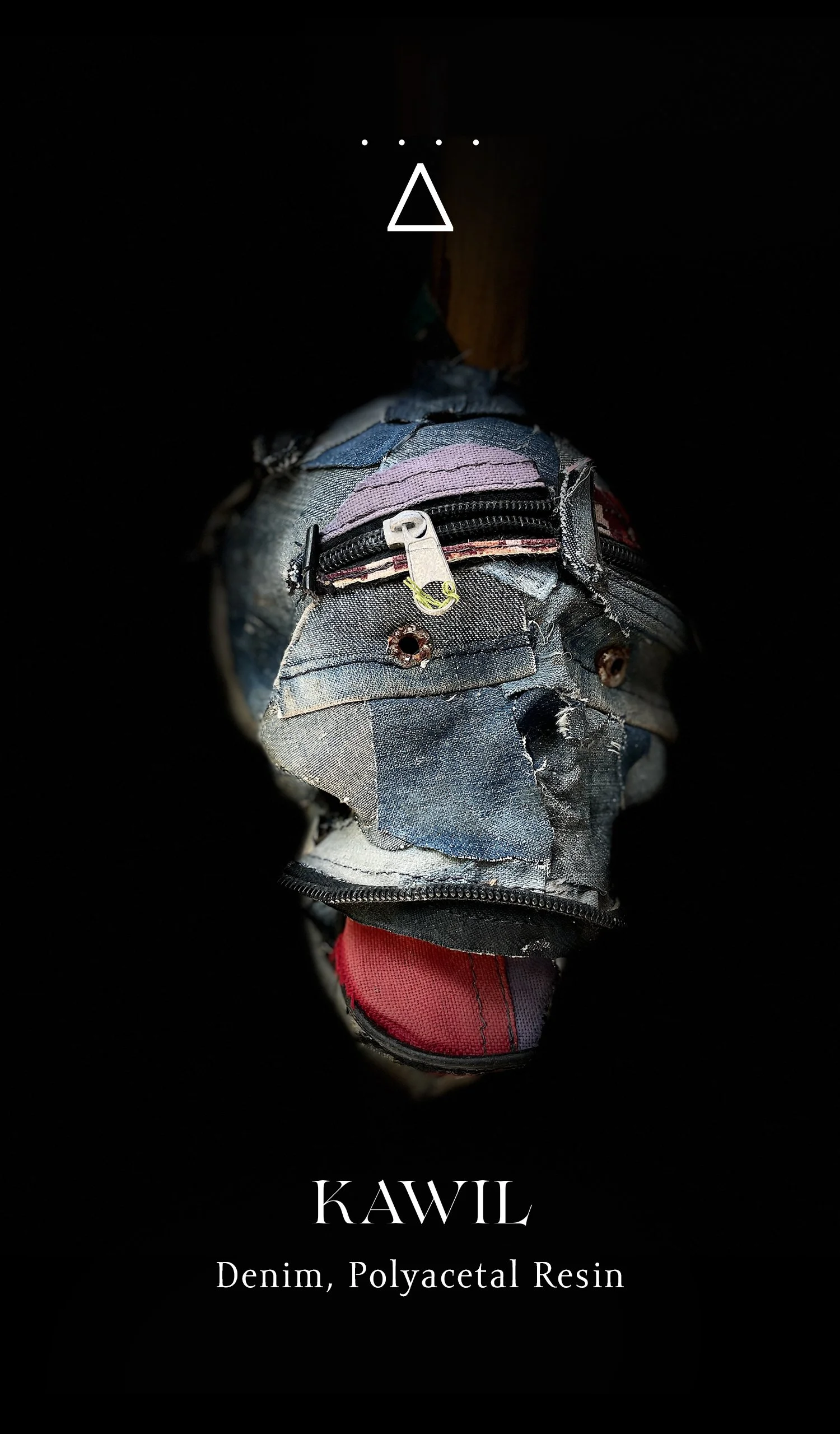
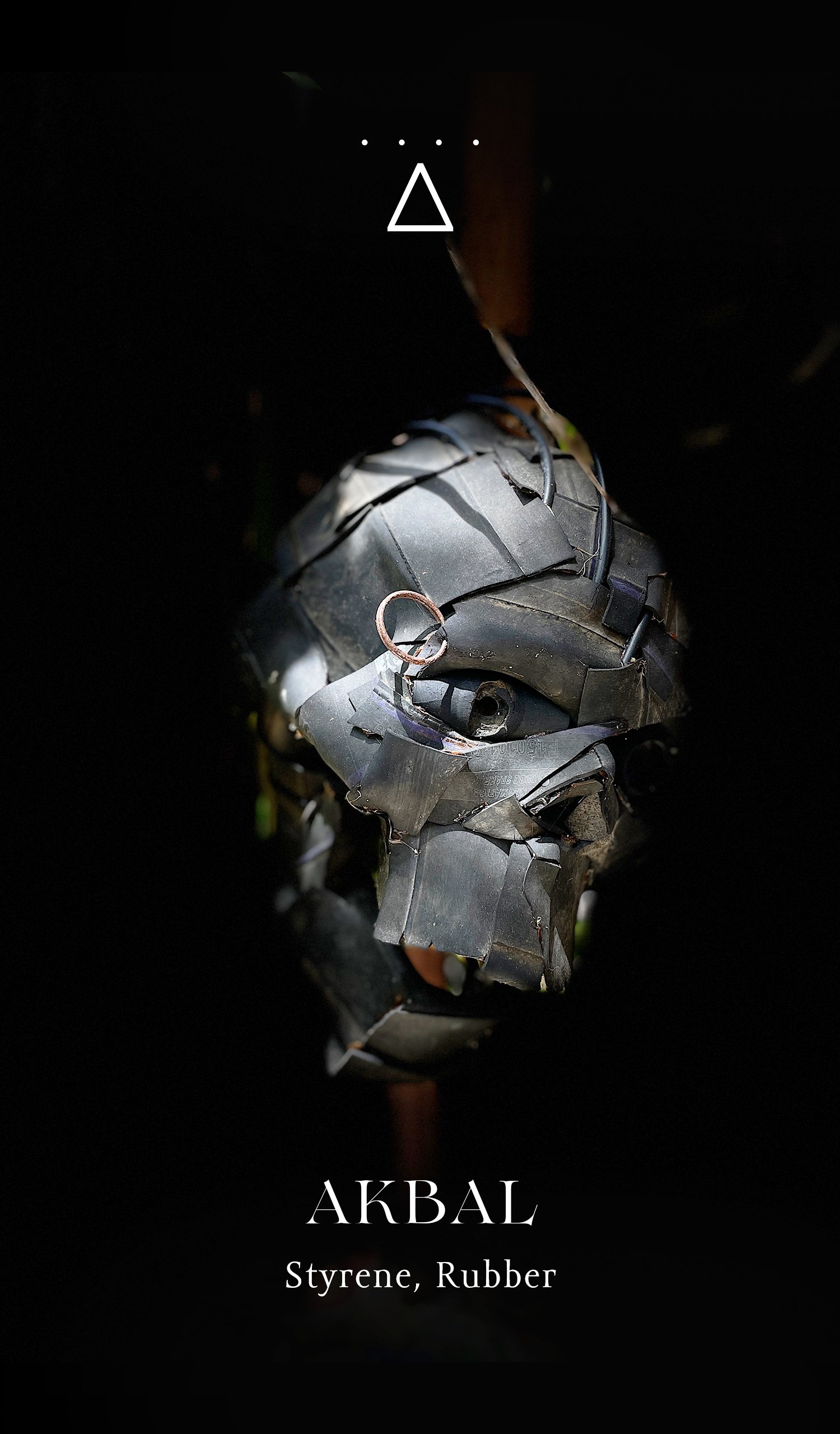
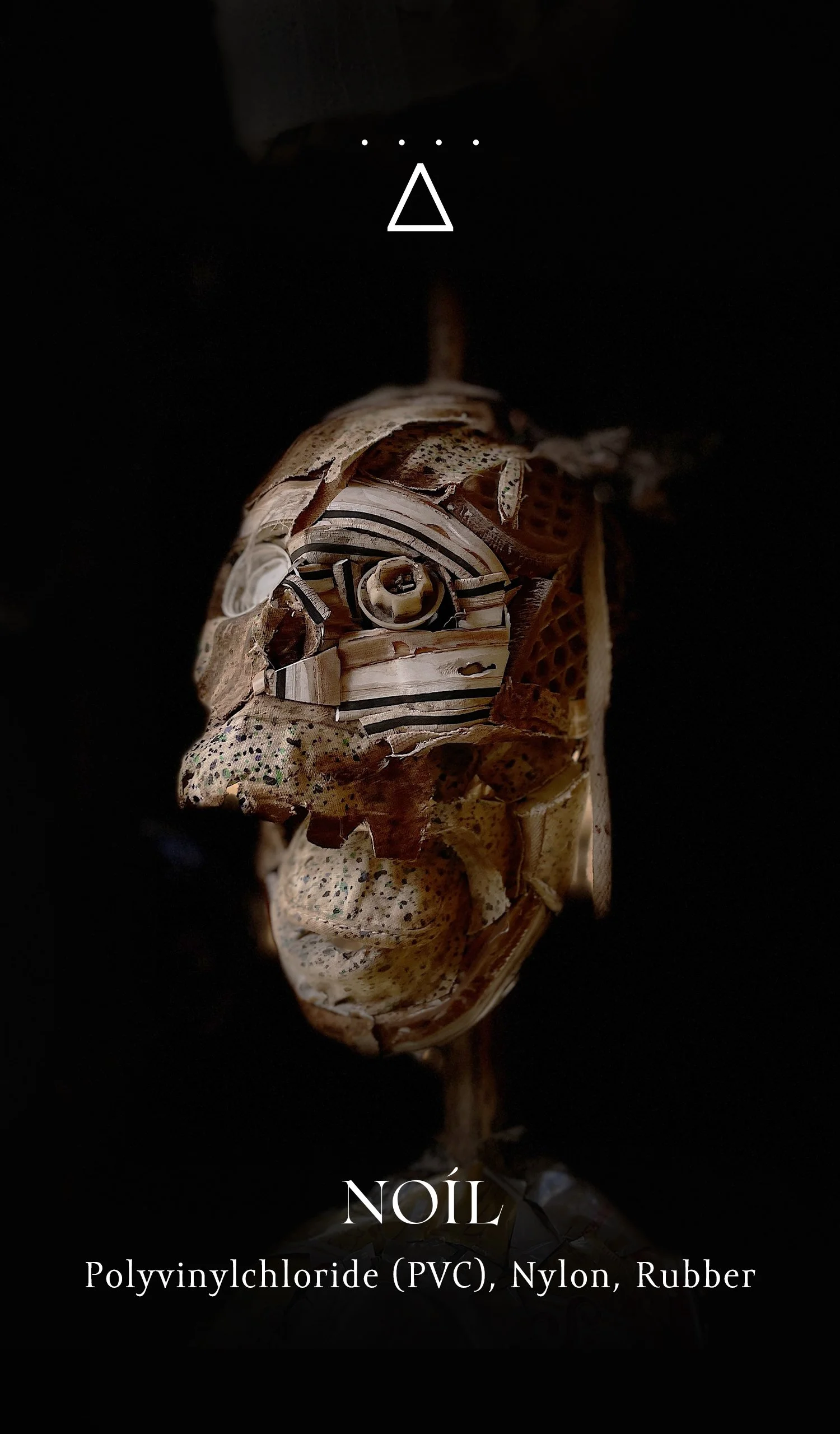
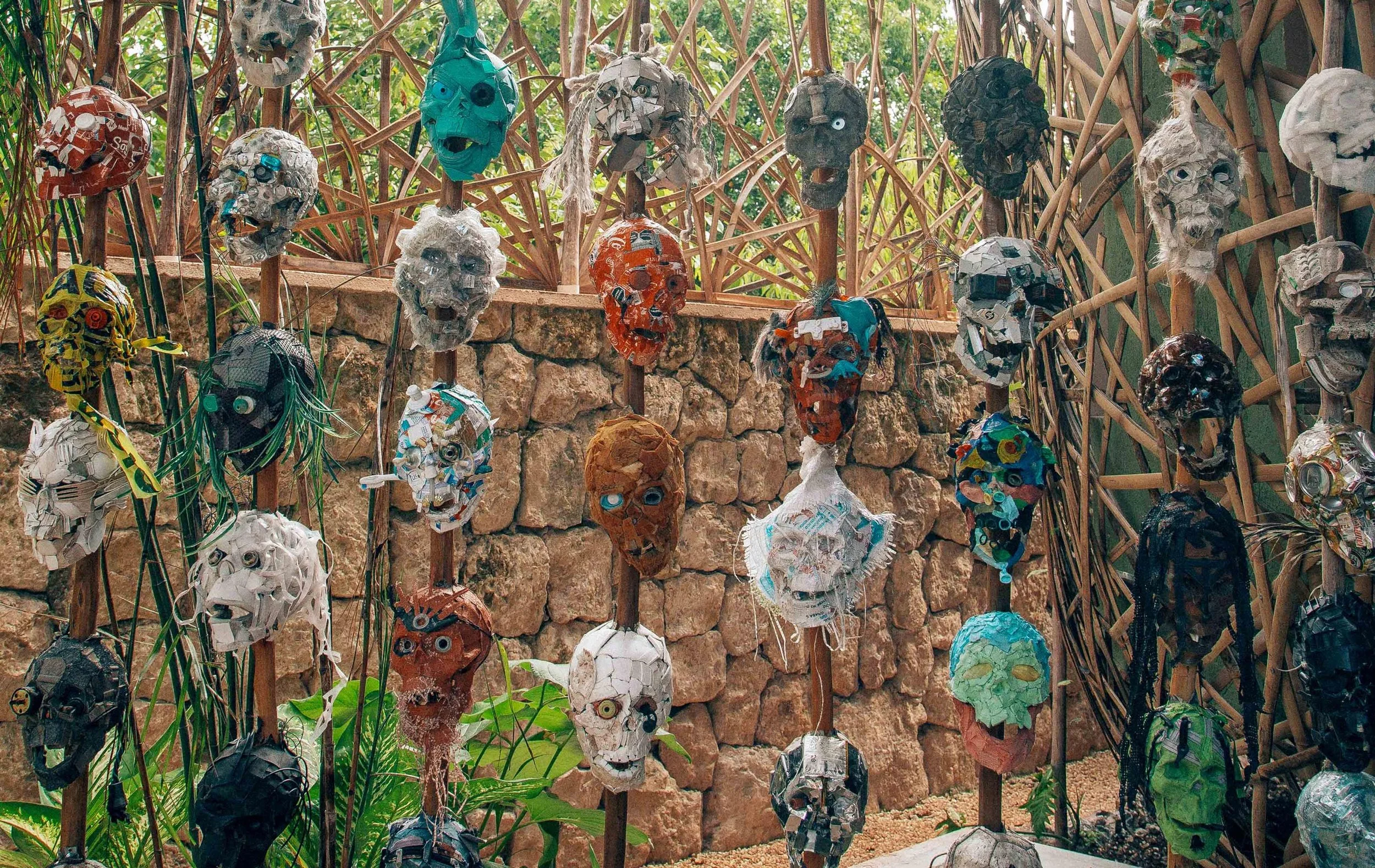
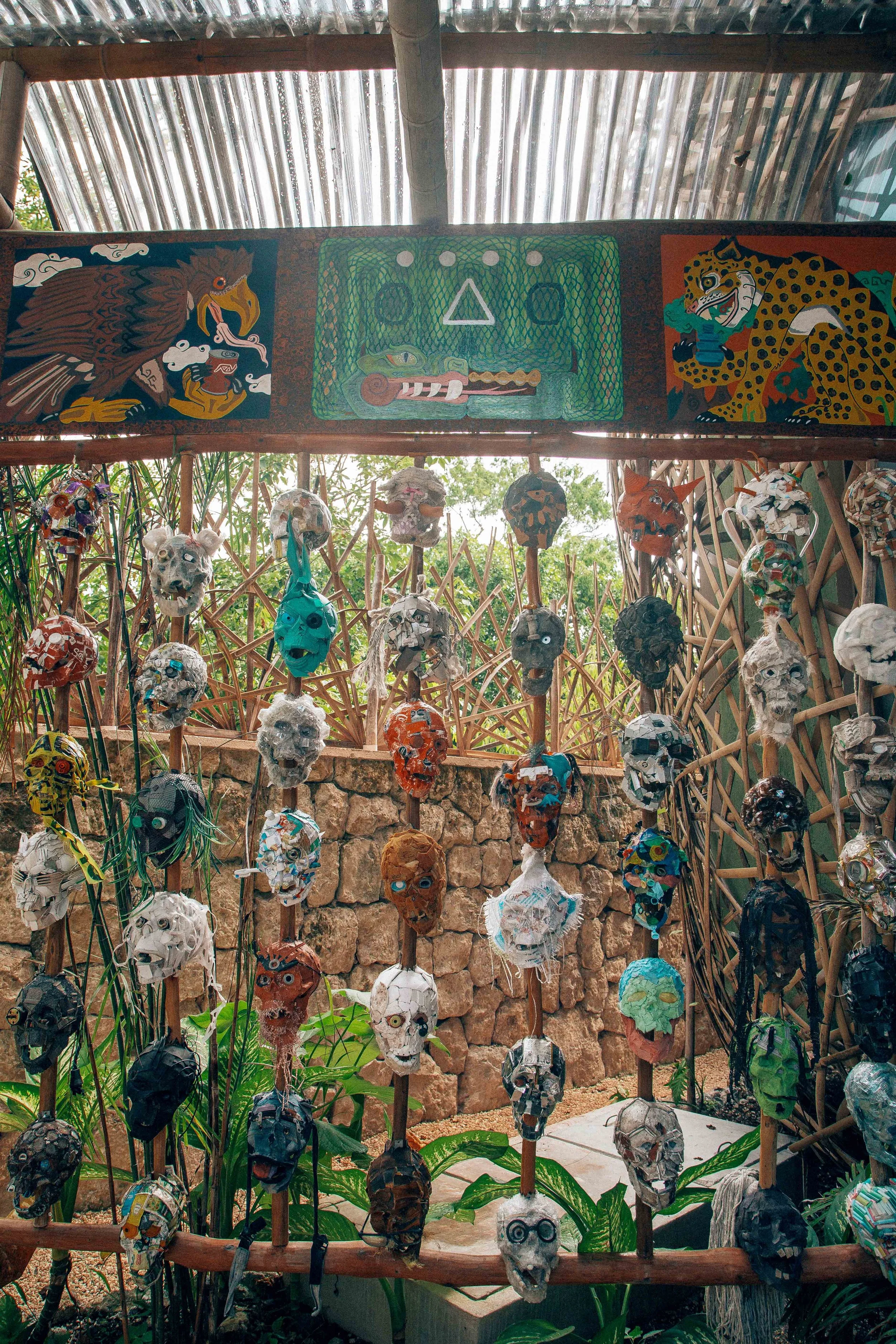
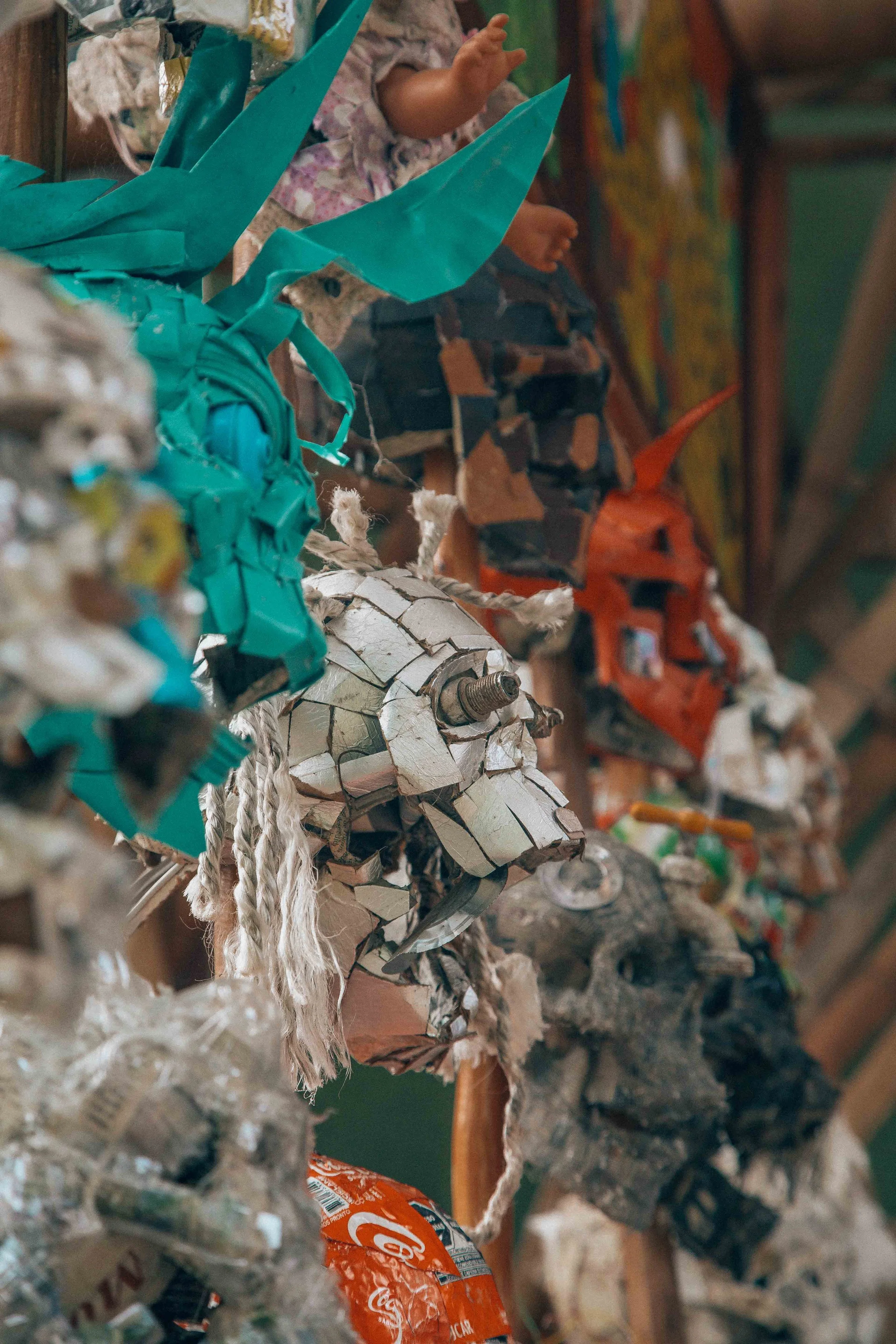
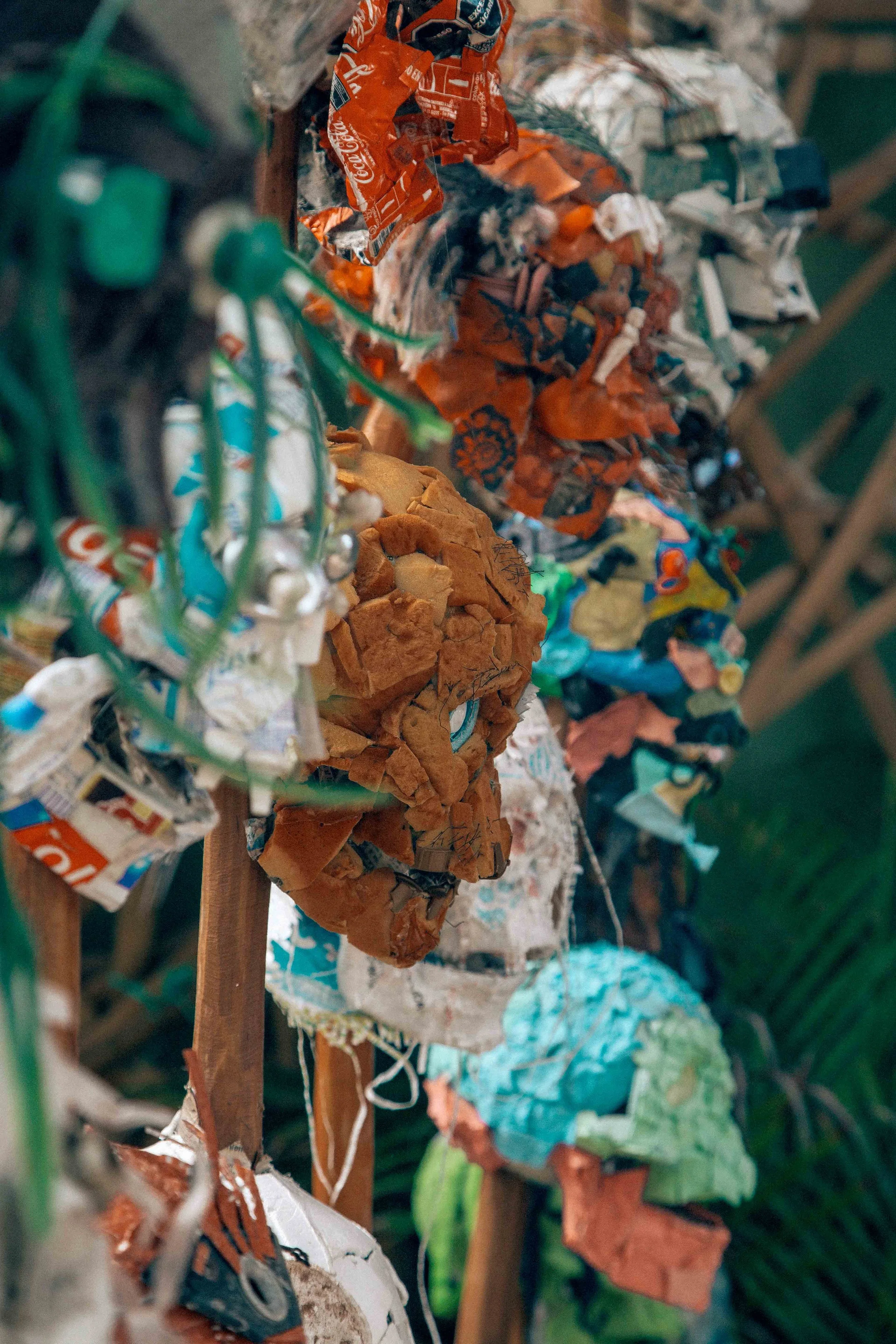
The Re:Tzompantli is an art installation made with trash picked up from Tulum jungle.
In the Mesoamerican cosmogony, ”humans existed to worship and feed the gods with offerings; it was a condition for life to continue.”
The practice of displaying heads and skulls on ceremonial structures spread towards the second millennium of our era. It represents a turn in Mesoamerican rituality of human sacrifices.
Rituals
Smoke screens, noise and uproar would surround the consecration of triumphs and pacts between the worshipful terrestrial and cosmic alliances.
Tzompantli:
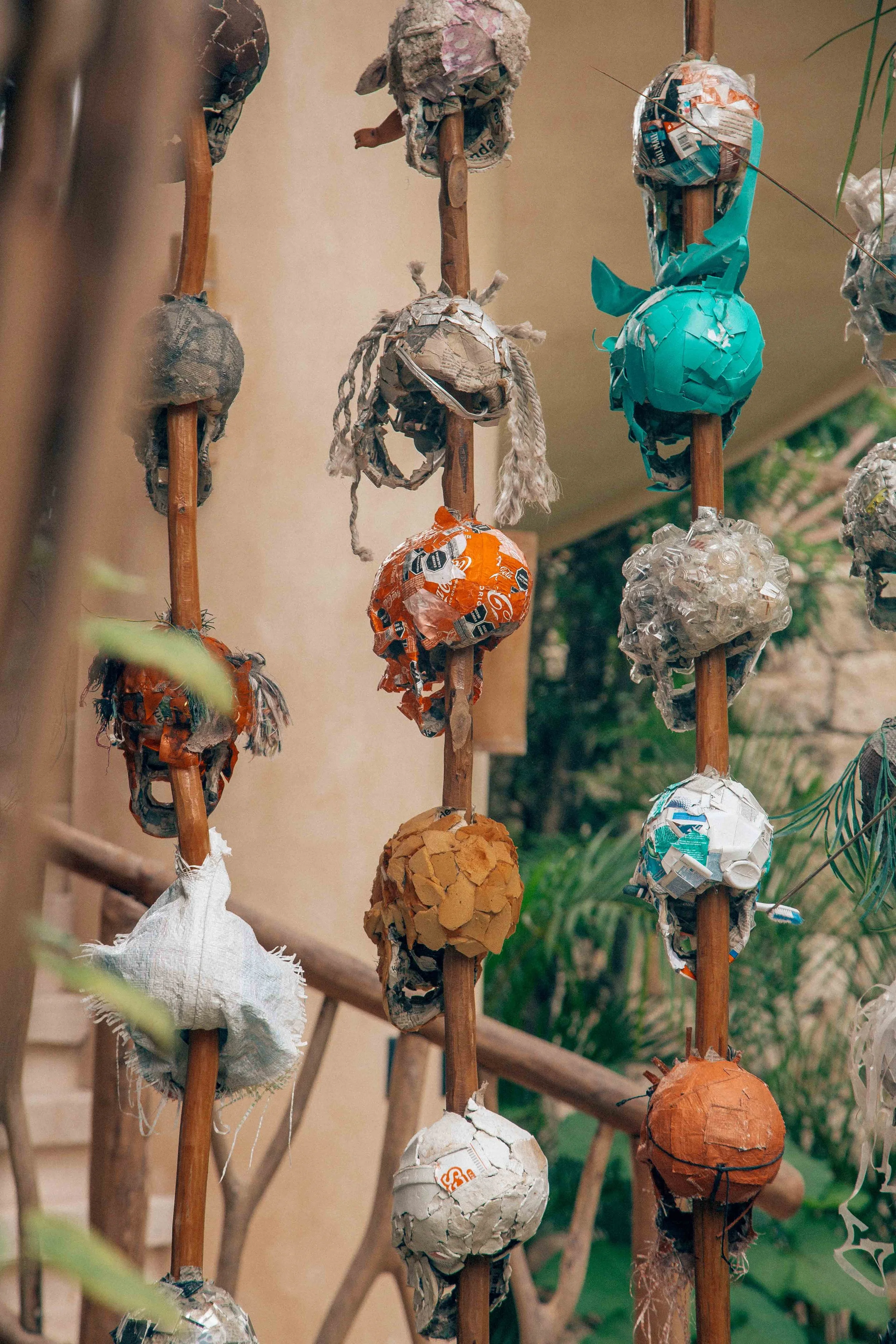
It is named after the Nahua words “tzontli” which means head or skull and from “pantli” which means row. So “tzompantli” means “Row of skulls”. It is believed that, some governments abused sacrificial ceremonies to turn them into intimidating displays of power to their enemies.
Recent studies of skulls pierced vertically at Chichén Itzá address the processing of the human heads of the sacrificed and their public display in the post-Mayan period

The installation features 60 skulls made with handpicked garbage from the Mayan jungle.
The Re:Tzompantli was created with the purpose to make a visual impact and raise awareness of the use of plastics and disposable single-use objects, as well as the collection and proper separation of garbage from our everyday activities. Most of these materials will take hundreds if not thousands of years to decompose and get back to the cycles of matter.